ESS 뉴스
키워드 ESS 결과입니다.
-
새 소식
MCP가 Stateless해짐
MCP가 출시 이후 가장 큰 규모의 스펙 변경을 통해 stateful한 양방향 연결에서 stateless한 request/response 구조로 전환되었습니다. 이번 변경으로 세션 ID가 제거되고 원격 서버의 수평 확장이 용이해졌으며, Multi Round-Trip Requests(MRTR) 도입과 라우팅·캐싱·관측 가능성 등이 대폭 개선되었습니다.
PERESSICEAPILLM -
새 소식
celld - 셀프호스팅 가능한 분산 Durable Objects
Deno가 공개한 오픈소스 런타임 'celld'는 Cloudflare Workers와 Durable Objects 모델을 자신의 서버에서 셀프호스팅할 수 있게 해주는 도구입니다. 각 cell을 독립된 DB와 단일 writer를 가진 작은 서버로 취급하며, S3 호환 스토리지 등에 데이터를 보관해 특정 클라우드 플랫폼에 의존하지 않는 것이 특징입니다. 현재 알파 단계로, HTTP 외에 WebSocket과 RPC 등을 지원하며 향후 D1과 Workflows까지 지원 범위를 넓힐 계획입니다.
PERESSICE메모리AI -
 사회
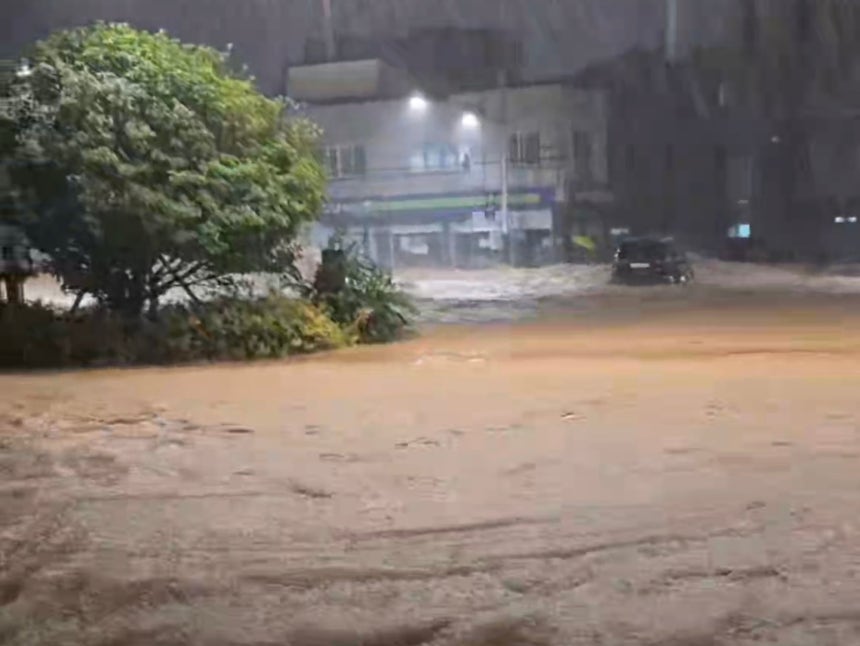
사회At least one dead in Geoje landslide as floods paralyze city
Rescuers are searching a mud-buried apartment for more victims after torrential rain triggered flooding, power outages and widespread road closures. Vehicles partially submerged on a flooded road in Jangpyeong-dong, Geoje, South Gyeongsang, on Aug. 17 following torrential rainfall YONHAP At least one person is dead after a landslide sent a wall of mud and rock into a Geoje, South Gyeongsang, apartment building on Monday morning, burying its first floor. Firefighters dispatched to Okpo-dong at around 4:42 a.m. rescued two residents trapped on the buried first floor and pulled out a third resident who was unconscious and was subsequently declared dead. Authorities believe more people may still be trapped and are continuing rescue operations at the site. The landslide came as rain fell at up to 100 millimeters (4 inches) per hour across the Geoje area in the early morning, triggering evacuation orders over fears of reservoir overflow and river flooding. At around 2:42 a.m., the Geoje city government issued an emergency notice warning that Mundong Reservoir faced a high risk of overflow and urging nearby residents to evacuate to higher ground immediately. Two minutes later, at around 2:44 a.m., the city banned all vehicle and pedestrian traffic around Gohyeon Stream as its water level rose sharply. As of 8 a.m., about 70 Geoje residents have evacuated to safe areas, according to the city. Roads flooded repeatedly across downtown areas, including Sangdong-dong, Suyang-dong and Sangpyeong-dong, as drains backed up. Around 20 roads are closed to traffic. City buses, intercity buses and taxis have all stopped running. Power was also cut to about 1,500 homes and businesses in Ilun-myeon, Gohyeon-dong and Jangseungpo-dong, causing further disruption for residents. Debris and rocks washed down by heavy rain cover a road in Okpo-dong, Geoje, South Gyeongsang, on Aug. 17 YONHAP Residents rattled by the overnight downpour and emergency sirens described their fear online. Local community boards and social media were flooded with posts and videos from the scene, including comments such as "I stayed up all night, terrified by how hard the rain was coming down," "the water rose to waist height around Gohyeon-dong" and "the road in front of my apartment is flooded." Geoje received more than 700 millimeters of rain over the three-day Liberation Day holiday weekend, including over 400 millimeters that fell between Sunday night and Monday dawn, causing damage across the city. The Korea Meteorological Administration forecast an additional 80 to 150 millimeters of rain for South Gyeongsang's southern coast.
PERCIAESSICEWHO -
 사회
사회Soaring rents push young Koreans farther from schools, workplaces
Jeonse (lump-sum payment) home listings have been on the decline since real estate measures were implemented by the government last year, causing monthly rents to rise and causing young people to choose lengthier commutes. Rental notices for studio apartments are posted on a community bulletin board near Chung-Ang University in Dongjak District, southern Seoul, on Aug. 12. YONHAP A 24-year-old surnamed Shin, who lives in Nowon District, northern Seoul, spent about four hours commuting round trip by subway last semester to their university in Gwanak District, southern Seoul. Shin had previously lived in shared housing near the school and was considering moving into a studio apartment, but decided against it because the monthly rent was too expensive. She ended up moving back into her parents’ house. A 22-year-old Cho, who lives in Anyang, Gyeonggi, also chose to commute by public transportation to a university in Gwanak. The distance between the two covers roughly 10 to 15 kilometers (6 to 9 miles), depending on the exact location. “I didn’t want to ask my parents for money, so I’ve been earning money at a part-time job and tutoring, but I felt it would be difficult to cover housing costs on top of everything else,” Cho said. Housing costs for young people in university districts have continued to rise after the government implemented new real estate measures last year. Since then, the number of jeonse homes has declined, and monthly rents have surged. Under Korea’s jeonse system, tenants typically pay a high lump-sum deposit instead of monthly rent. Beginning June 28 last year, the government implemented the measures — focused on the greater Seoul area — to tighten household debt management, reducing loan limits, lowering guarantee ratios for jeonse loans and cutting mortgage limits, including loans used by landlords to return jeonse deposits to departing tenants. Experts also expect the decline in jeonse listings and the rise in monthly rents to intensify following the Aug. 3 tax reform plan. A real estate agency near Chung-Ang University in Dongjak District, southern Seoul, on Aug. 12 YONHAP Young people trade convenience for cheaper housing As rents around universities soar, a growing number of people living on their own are giving up on living close to school or work and moving back to their family homes farther away or relocating to areas with more affordable rent. Even studio apartments and officetels — buildings that combine commercial and residential spaces — rather than conventional apartments, have become too expensive for many students and young workers in central areas where universities and workplaces are concentrated. A 25-year-old surnamed Kim, who has worked for a company in Mapo District, western Seoul, for three years, recently relocated from housing near work to Goyang, Gyeonggi. “Paying close to 1 million won [$705] in rent every month was too much of a burden,” Kim said. “I moved to save on housing costs, even though it meant sacrificing convenience in my commute.” Many young people are also being forced to accept a decline in their quality of life as they cut other expenses or take on additional part-time jobs to cope with soaring rents. Kim Seong-min, a 25-year-old university student who found a place near his school in early August, nearly doubled his budget for both rent and the security deposit compared to the studio apartment he lived in three years ago. Even then, he could not find a home that met the conditions he had wanted. He eventually settled for a place farther from both the subway station and his university. He put down 10 million won — half the money he had saved through a military savings account — as a security deposit. “Once I pay 5 million won in university tuition, I don’t know how many months I’ll be able to live on the money I have left,” Kim Seong-min said. “I’m planning to find a part-time job as soon as possible.” Rental notices for studio apartments are posted at a real estate agency near Seoul National University in Gwanak District, southern Seoul, on Aug. 12. YONHAP The switch from jeonse to monthly rent As jeonse listings decrease, people are shifting to find housing with monthly rent instead. Real estate agents in university districts say they have also seen jeonse listings decline and monthly rents rise since the real estate measures were implemented on June 27, 2025. “For about a year now, jeonse listings have barely come onto the market, whether they're apartments, multifamily homes or officetels,” said a real estate agent who operates an office near Seoul National University Station in Gwanak District. “Out of every 100 contracts, there might be just one jeonse deal, if that.” “Since jeonse listings have declined due to factors including tighter lending restrictions, demand has shifted toward monthly rentals, driving up prices,” said Seo Chan-won, a real estate agent at Daom, a real estate agency near Seoul National University Station. “Monthly rents have risen by an average of about 60,000 to 80,000 won over the past year,” said another real estate agency representative in Gwanak. “Some landlords are now raising rents every quarter. Monthly rent for a newly built studio apartment of about 16.5 square meters [178 square feet] has risen to more than 1 million won.” Demand for monthly rentals has risen further as office workers who have been priced out of apartments turn to officetels and multifamily homes, putting them in competition for rental homes in university districts. Sinchon in Seodaemun District, western Seoul, and the area around Seoul National University Station are prime examples, as both have large supplies of studio apartments while offering relatively easy access to major business districts such as central Seoul’s Gwanghwamun and southern Seoul’s Gangnam District . “With jeonse loans becoming harder to obtain and listings declining, newlywed couples who have given up on apartments are coming to Sinchon to look for multifamily homes or officetels as their first homes,” said the head of a real estate agency in Seodaemun District. Demand has also increased for shared houses, which generally require smaller deposits and lower monthly rents than studio apartments. “Most of our tenants are workers, including civil servants at government agencies, and all of them have signed long-term contracts of at least a year,” said a share house operator in Gwanak District. “Many young people come here because they want to live close to their workplaces.” Prime Minister Han Seong-sook, right, listens to a real estate agent explaining the neighborhood’s studio apartment area near universities in Sinchon, Seodaemun District, western Seoul, on July 4. NEWS1 Rents climb as jeonse transactions tumble The rise in prices as demand shifts from jeonse to monthly rentals is reflected in data. The average monthly rent for a studio apartment near major universities in Seoul stood at 625,000 won last month, up 7.7 percent from a year earlier, according to statistics compiled by real estate platform Dabang based on listings registered on its service. Monthly rents around Seoul National University rose an average of 26 percent from a year earlier, the largest increase among the university districts surveyed. Monthly maintenance fees rose an average of 10.9 percent to 84,000 won. For a home with a 10 million won deposit, that translates to roughly 710,000 won in monthly housing expenses. At the same time, the number of jeonse transactions in major university districts across Seoul has fallen sharply. There were 2,258 new jeonse transactions for officetels between August 2024 and August 2025 across five districts with major university areas — southern Seoul’s Gwanak and Dongjak, western Seoul’s Mapo, eastern Seoul’s Dongdaemun and central Seoul’s Seongbuk districts — according to the Ministry of Land, Infrastructure and Transport’s real estate transaction disclosure system. The figure, however, fell about 20 percent to 1,809 between August 2025 and August this year. In Seongbuk District, officetel jeonse transactions fell nearly 40 percent over the same period, from 167 to 101. A prolonged housing squeeze expected The real estate industry attributes the decline in jeonse listings and rise in monthly rents partly to tighter access to jeonse loans following the June 27, 2025, measures. Real estate agents say the measures have pushed both tenants and landlords toward monthly rental contracts. “Tenants are turning to monthly rentals because jeonse deposit loans have either become unavailable or their borrowing limits have been reduced, while landlords are converting jeonse homes into monthly rentals to secure cash because loans for returning jeonse deposits have been restricted,” a real estate industry source in Gwanak District said. Experts expect the pressure on young people's housing costs to persist for some time following the Aug. 3 tax reform plan, which increased the tax burden on owners of multiple homes. “As owners of multiple homes sell properties they don’t live in and had previously rented out under jeonse or monthly rental contracts, the supply of rental homes is shrinking and prices for the remaining homes are rising rapidly,” said Ma Kang-rae, a professor of urban planning and real estate at Chung-Ang University. “This situation is likely to continue for the next two to three years.” A rental notice for a studio apartment is posted near Chung-Ang University in Dongjak District, southern Seoul, on Aug. 12. YONHAP The situation has also prompted calls for the public sector to increase housing supply. “The government needs to rapidly expand public rental housing to restore the housing ladder for young people, low-income households and other groups vulnerable to housing insecurity,” Prof. Ma said.
PERCIAESSICEWHO -
 경제
경제Open fire: Korean missile makers can now use U.S. test ranges, but should they?
Newly approved U.S. Army access could speed Korean missile makers' entry into the United States, but costs, export hurdles and data-security concerns remain. A Patriot surface-to-air missile is launched at a simulated target during a live-fire missile interception exercise over the Yellow Sea on Nov. 6, 2024. YONHAP Korean missile manufacturers are cautiously approaching whether to participate in the U.S. Army's newly opened test range opportunities, citing cost and potential logistical complications. The U.S. Army has opened five missile test ranges to private and allied companies, opening up Korean defense firms a way past a certification bottleneck that has long slowed their entry into the U.S. market. The measure comes as reports arise of munitions quickly depleting due to the Iran war, making Korea's participation in the test range a part of the effort to replenish weapons through allied nations. Announced Friday by Army Secretary Dan Driscoll at Camp Grayling in Michigan, the change covers four domestic ranges and one in Morocco, open to companies firing interceptor missiles they developed with their own money. An online reservation portal went live the same day, with access pledged within 30 days of a request. Driscoll said he hopes allied companies will use the ranges too. What changed? The bottleneck the change addresses is real. Companies have waited up to a year and a half for a testing slot, mostly at White Sands Missile Range in New Mexico. “It can take 12 to 18 months for a company that wants to go test the thing that can make a soldier's life better,” Driscoll said. “That is not sufficient.” Domestic sites now open are Camp Grayling, Camp Shelby in Mississippi, Dugway Proving Ground in Utah and West Cibola, an unused portion of Yuma Proving Ground in Arizona, said Maj. Gen. Patrick Gaydon of Army Test and Evaluation Command. The international site is a multidomain training area in Morocco, where a startup called Covenant Industries has already fired its Anthem missile. For Korea, the appeal is physical. The country lacks suitable sites for testing ground firepower systems and missiles, and the constraints are severe enough that Korean firms already travel abroad to test, said Choi Gi-il, a professor of military studies at Sangji University. Korean 155-millimeter extended-range ammunition had to be tested in Israel because no domestic range could take it, he said, at a cost in the tens of billions of won. “K-defense gets a great deal of spotlight in the global market, but the test and evaluation process involves many difficulties and limitations,” Choi said. “By opening these test ranges to allies, the United States has given us an option we did not have.” The reservation website for the test range, operated by the U.S. Army SCREEN CAPTURE Not sold? That option has a price, which is where the enthusiasm thins. Korean reporting pointed to LIG D&A , which renamed itself from LIG Nex1 in March, and its Bigung guided rocket and Cheongung II air defense system, along with Hanwha Aerospace's guided weapons, as candidates to use the ranges. Those are inferences from Driscoll's expression of hope, as no Army statement has named Korean companies. Asked whether it will apply, LIG D&A said it is “not in a position” to say. “Even between allies, there are bound to be procedures involved or getting approval from the U.S. government,” said an LIG D&A spokesperson. “If the specific terms such as costs were too steep, then we wouldn't be able to go through with [the test].” The reservations run deeper than price. The Army has attached no procurement incentive, no undertaking that strong performers will be considered for adoption. Korea has its own firing ranges. And moving a weapon onto an U.S. range requires export procedures and U.S. government permission even between allies, which the official described as more complicated than the announcement suggests. There is also what leaves the country with a missile. Firing a weapon on a foreign range exposes sensitive test data and technical information, which argues for selective use, said Jang Won-joon, an associate professor specializing in the defense industry at Jeonbuk National University. He would confine it to essential tests with no domestic alternative, and to the testing and certification required to enter U.S. military procurement. “The opening is a new opportunity,” Jang said, “but given the security concerns around sensitive test data and technical information, firms need to use it selectively.” LIG D&A's medium-range surface-to-air missile, the Cheongung, is displayed at the Agency for Defense Development in 2020. YONHAP Why the door has opened If Korean firms are weighing the offer carefully, Washington had reasons of its own to make it. The timing is scarcity, not generosity. A CSIS analysis published on July 27 by Mark Cancian and Chris Park found Patriot inventories now under 1,000 and Thaad stockpiles at about 250 after the war with Iran. Secondary accounts citing the analysis put the Patriot's fall at 2,330, to between 759 and 827 missiles, and Thaad dropping 452 to between 234 and 278. “Diminished stockpiles may force the United States and its coalition partners to take more risks with interceptions,” the authors wrote, noting no good alternatives exist because Navy ships carrying standard missiles are generally too far away. Rebuilding would take more than three years. CNN, citing sources familiar with an internal report, put Thaad depletion at nearly four-fifths, a figure U.S. Defense Secretary Pete Hegseth disputed. Choi reads the opening against that shortfall, arguing Korean manufacturing capacity gives Washington reason to keep allied suppliers close. “It can be a win-win structure,” he said. A surface-to-air missile is fired from a Cheongung-II air defense system during live-fire drills in an unspecified western coastal area in 2024. YONHAP There indeed have been past arrangements between the U.S Army and Korean defense manufacturers. The U.S. Army announced an enhanced use lease to Hanwha Defense USA at Pine Bluff Arsenal, Jefferson County, Arkansas on Jan. 28. The lease agreement used underutilized Army property, with proceeds to be reinvested into infrastructure. Hanwha plans to invest roughly $1.3 billion and create about 200 skilled jobs. “These days, you can easily secure all the data you need through things like AI simulations,” said a defense analyst on the condition of anonymity. “The real issue is that our country has extremely limited testing grounds.” “For example, the long-range air-to-air missile project, since the range on those is hundreds of kilometers it’s really difficult to test them here in Korea,” he continued. “If a missile were to fall mid-flight and cause damage to a civilian area, the entire country and the media would go absolutely haywire.” “The truth is, there’s simply nowhere to test them. So, testing in the U.S. is definitely the better option.” Two Cheongung-II medium-range surface-to-air missile systems are used during a drill in Korea in this undated stock photo JOONGANG PHOTO The payoff vs. the pay-in For Korean firms, the prize is real. Cheongung II, deployed in the UAE, intercepted Iranian ballistic missiles in March, and Bigung passed a U.S. comparative test in 2024. Combat-proven and U.S.-verified is stronger than either alone. But the Army will not subsidize travel, and Driscoll said the intent is not to bring in companies not far enough along in their funding. It is worth comparing to what Korean industry is being asked to pay elsewhere. In Spain, Hanwha Aerospace is buying European entry with technology and potentially design authority. In the United States, the currency is cash and test data. Two markets, two admission prices, and the same question underneath both: How much value stays in Korea once the door is open?
CSISPERCIAESSICE -
 경제
경제"정년 됐다고 왜 집에 가세요?"... 하림이 시니어를 붙잡는 이유
[2026 노인일자리] '닭고기 대가' 하림의 세대통합형... 숙련된 60대 노동자가 젊은 직원에게 기술 전수 ▲ 하람의 베테랑 직원이 닭고기의 뼈와 살을 정확하게 분리하면서 빠른 속도로 작업하고 있다. 작은 뼛조각이 살에 남아 제품으로 나가면 소비자 안전 문제와 클레임으로 이어질 수 있다. 최소 2~3년에서 10년 이상의 숙련도가 반드시 필요하다고 한다. ⓒ 한국노인인력개발원 "정년이 됐다고 해서 꼭 일을 그만둬야 하나요? 건강하시다면 우리와 계속 같이 일하시죠." 말복을 하루 앞둔 지난 13일 오후 전북 익산시 망성면에 있는 ㈜하림 공장. 깔끔하고 현대적인 생산시설 안에서 닭고기 가공 작업이 한창이었다. 자동화된 설비 사이로 쉴 새 없이 움직이는 닭고기와 작업자들의 손길이 이어졌다. 한쪽에서는 숙련된 손길로 닭을 부위별로 신속하게 해체하고 선별하는 베테랑 노동자들의 작업이 바삐 이뤄졌다. 이곳에서 눈길을 끈 것은 생산시설만이 아니었다. 정년을 앞둔 숙련 노동자들이 젊은 직원들과 함께 일하며 자신의 경험과 기술을 전수하는 '시니어인턴십(세대통합형)' 노인일자리사업이었다. 하림은 닭고기 생산·가공을 중심으로 사료와 식자재, 급식 등으로 사업 영역을 넓힌 식품기업이다. 지난해 매출은 약 1조 4000억 원, 임직원은 2500여 명이다. 협력·외주업체까지 포함하면 이 공장에서 일하는 인력은 5000명을 웃돈다. "은퇴 아닌 전수"… 기술 노하우 지닌 60대 숙련자 → '현장 지킴이'로 ▲ 하림은 단순히 ‘노인을 고용하는 사업’에 머물지 않는다. 핵심은 숙련된 시니어와 젊은 신입사원을 한 작업장에서 연결하는 데 있다. ⓒ 한국노인인력개발원 하림이 시니어인턴십에 참여한 것은 2019년부터다. 한국노인인력개발원과 함께 운영해 지금까지 145명이 이 사업에 참여했다. 기업이 받은 지원금은 약 4억6000만 원이다. 시니어인턴십은 노동시장 재진입이 상대적으로 어려운 만 60세 이상 노인의 고용을 촉진하기 위해 기업에 인건비를 지원하는 사업이다. 3개월간 인턴십을 거친 뒤 계속 근로계약을 체결하면 기업에 1인당 최대 270만 원이 지원된다. 하림에서 이 제도는 단순히 '노인을 고용하는 사업'에 머물지 않는다. 핵심은 숙련된 시니어와 젊은 신입사원을 한 작업장에서 연결하는 데 있다. 현재 60세 이상 재고용 인력은 169명으로 전체 임직원 2578명의 6.6%가량이다. 이 가운데 여성 직원이 130명으로 약 77%를 차지한다. 사업 확장으로 인력 수요가 계속 늘면서 정년을 맞은 숙련자들을 다시 고용해야 할 필요성도 커지고 있다. 하림은 정년을 맞는 직원 가운데 10년 이상 근속 여부와 건강 상태, 근태, 동료들의 평가 등을 종합해 재고용 여부를 결정한다. 근로 연장을 희망하는지를 먼저 묻고, 현업 부서와 면담을 거쳐 최종적으로 결정한다. 올해 세대통합형 일자리 참여자는 25명으로 확대할 계획이며, 현재 16명이 참여하고 있다. 이들이 맡는 일은 아무나 쉽게 대체할 수 없는 직무들이다. 부화장 업무부터 원료 발골·정선, 개체 선별 등이 대표적이다. 특히 부화 업무는 단순히 달걀을 기계에 넣고 병아리를 기다리는 일이 아니다. 온도와 습도, 환기, 전란, 위생 등 여러 조건을 세밀하게 관리해야 한다. 이상이 생긴 알을 골라내는 것도 오랜 경험이 필요한 일이다. 닭고기 발골과 정선도 마찬가지다. 뼈와 살을 정확하게 분리하면서 빠른 속도로 작업해야 한다. 작은 뼛조각이 살에 남아 제품으로 나가면 소비자 안전 문제와 클레임으로 이어질 수 있다. 장재석 하림 기획조정실 과장은 "무정란이나 질병이 있는 알, 형태가 이상한 알을 미리 골라내는 것도 기술"이라며 "생물 산업 특성상 닭의 부화 과정이나 살과 뼈를 미세하게 분리하는 가공 작업, 개체의 멍·골절 유무를 가려내는 작업 등은 최소 2~3년에서 10년 이상의 숙련도가 반드시 필요하다"고 설명했다. 개체 선별 역시 단순히 무게를 재는 작업이 아니다. 닭의 멍이나 골절 등 상품성이 떨어지는 개체를 찾아내야 한다. 숙련자는 손으로 닭을 잡아보는 것만으로도 어느 정도 무게를 가늠할 수 있다고 한다. 이런 일은 신입사원이 단기간에 익힐 수 없고 10년, 20년의 경험이 필요한 경우가 많다고 한다. 이 때문에 시니어가 젊은 직원에게 작업 방법을 가르치는 '현장 교사' 역할을 한다. 회사는 정년 예정자와 신입사원의 부서를 미리 확인한 뒤 멘토링과 기술 전수를 진행한다. 이후 실제 생산현장을 찾아 기술 전수가 제대로 이뤄지고 있는지도 살핀다. 지역 대기업 하림 "나이는 숫자일 뿐… 베테랑 현장 유지가 성장 원동력" ▲ 국내 닭고기 최대 생산 기업인 하림. 현대적인 생산시설 안에서 닭고기 가공 작업이 진행되고 있다. 사진은 자동화된 설비 사이로 쉴 새 없이 움직이는 닭고기들의 모습 ⓒ 유창재 1986년 설립되어 창립 40주년을 맞이한 하림은 농장, 공장, 시장을 하나로 잇는 '3장 통합 경영 시스템'을 국내 최초로 구축한 대표 애그리비즈니스(Agri-business) 기업이다. 지역 경제의 버팀목 역할을 하고 있기에 익산시가 하림지주 본사 앞 도로를 '하림로'로 지정했을 정도다. 차대진 하림 생산본부장(총괄 이사)는 "오랜 기간 작업장에서 일한 분들은 나이가 있다고 해서 못 하는 일이 전혀 없다"며 "속도는 조금 떨어질 수 있어도 중요도와 숙련도에서는 오히려 선배들이 가진 장점이 있다"고 설명했다. 이어 "하림에는 '나이가 많아서 안 된다'는 문화 자체가 없으며, 오히려 장기 근속한 선배들의 노하우는 기업의 소중한 자산"이라고 강조했다. 기업 입장에서도 시니어 노동자의 존재는 생산성과 직결된다. 특히 삼복 등 성수기에는 평소 하루 60만~70만 마리 수준이던 도계 물량이 100만~120만 마리까지 늘어난다. 이때 수백 명의 단기 인력이 현장에 투입되는데, 숙련된 시니어들이 작업을 이끌어야 생산 차질을 막을 수 있다는 것이다. 장 과장은 "숙련자들이 빠지면 현장에서 병목 현상이 발생한다"며 "신입이나 아르바이트 인력을 이끌고 작업을 진행할 수 있는 리더가 필요하다"고 말했다. 시니어들의 근무조건도 연령과 건강 상태를 고려한다. 일반적으로 주·야간 근무가 이뤄지지만 시니어인턴십 참여자는 희망자에 한해 주간 근무를 중심으로 배치한다. 법정 기준에 따라 4시간 근무 뒤 30분 휴게시간도 보장한다. 하림은 지원금을 전액 인건비로 활용하고 있다고 밝혔다. 동시에 작업장 곳곳에 휴식을 위한 공간과 안마의자 등을 마련하고, 보건실을 운영하는 등 건강과 안전에도 신경을 쓰고 있다. 무엇보다 회사가 강조하는 것은 '나이가 많아서 내보내는 문화'가 없다는 점이다. 차 이사는 "예전에는 정년이 되면 '이제 그만 쉬어야겠다'고 생각했지만 지금은 건강하다면 왜 일을 그만둬야 하느냐는 생각으로 많이 바뀌었다"고 말했다. 하림의 정년 예정자 가운데 근로 연장을 선호하는 비율은 90%를 넘는다. 일을 그만두는 경우도 대부분 손주 돌봄 등 개인적인 사정 때문이라는 게 회사 쪽 설명이다. 차 이사는 "나이라는 이유만으로 밀려나는 것이 아니라, 나이가 들수록 자신이 가진 경험과 노하우가 현장의 기준이 될 수 있는 문화가 필요하다"고 말했다. ▲ 말복을 하루 앞둔 지난 13일 오후 전북 익산시 망성면에 있는 ㈜하림 공장을 방문한 보건복지부와 한국노인인력개발원 노인정책 관계자들이 하림 임직원들과 간담회를 갖고 있다. ⓒ 한국노인인력개발원 이날 현장을 함께 찾은 김수영 한국노인인력개발원장은 노인일자리 정책의 패러다임 변화를 강조했다. 그는 "대한민국의 생산 가능 인구가 점점 줄어들고 있다"며 "노인일자리는 단순한 소득 보전의 개념을 넘어 실제 생산성을 높이는 분야에 배치돼야 한다"고 제시했다. 저출생·고령화로 생산가능인구가 줄어드는 상황에서 숙련된 고령 인력을 어떻게 활용할 것인지는 기업뿐 아니라 사회 전체의 과제가 되고 있다. 하림의 세대통합형 일자리는 그 답을 생산현장에서 찾고 있다. 정년을 '일의 끝'으로만 보지 않고, 한 세대의 기술이 다음 세대로 이어지는 또 다른 출발점으로 만드는 방식이다. 공장 안에서 분주하게 움직이는 젊은 직원들 사이로 흰 작업복을 입은 노인일자리 어르신들이 눈에 들어왔다. 그들의 손끝에는 수십 년간 쌓아온 경험이 있었고, 그 경험은 다시 젊은 직원들에게 전달되고 있었다. 하림의 시니어인턴십이 보여주는 세대통합형 노인일자리의 모습이다. "나이가 들었다고 현장을 떠나는 것이 아니라, 경험이 필요한 곳에서 다시 역할을 찾는 것입니다." ▲ 하림은 단순히 ‘노인을 고용하는 사업’에 머물지 않는다. 핵심은 숙련된 시니어와 젊은 신입사원을 한 작업장에서 연결하는 데 있다. ⓒ 유창재
보건복지부지역 경제대한민국ESS노동자 -
 생활
생활“잠옷 아니야?” “식탁보인 줄”…젊은이들의 ‘이유 있는’ 파자마 패션
레이스 달린 헐렁한 블라우스, 잠옷 같은 줄무늬 셔츠, 허리에 끈만 달린 헐렁한 바지. 요즘 젊은 층의 여름 패션을 보고 있으면 “잠옷 입고 나온 것 아니냐”는 말이 절로 나온다. 실제로 맞는 말에 가깝다. 2026년 여름 글로벌 패션계에서는 잠옷에서 영감을 얻은 옷을 그대로 일상복으로 입는 ‘파자마 드레싱(pajama dressing)’이 핵심 트렌드로 떠올랐다. 미국 패션지 하퍼스바자는 최근 ‘잠옷 상의가 침실 밖으로 나오고 있다’며 파자마풍 셔츠를 이번 시즌의 대표 아이템으로 꼽았다. 부드럽고 가벼운 소재에 대비색 파이핑이나 줄무늬, 꽃무늬를 넣은 잠옷 느낌 셔츠를 청바지나 정장 바지와 매치하는 방식이다. 미국 보그 역시 올여름 대표적인 아이템으로 잠옷 같은 허리 조임끈이 있는 드로스트링 팬츠를 소개하며 ‘가장 편안한 여름 필수품’이라고 평가했다. 레이스 식탁보가 옷이 됐다…‘도일리 톱’의 등장 자라 SNS 갈무리 특히 눈에 띄는 것은 해외 매체들에서 ‘도일리 톱(doily tops)’으로 소개된 스타일이다. 도일리는 과거 식탁이나 찻잔 아래에 깔던 레이스 뜨개 장식용 천을 말한다. 섬세한 레이스와 자수, 헐렁한 실루엣을 활용한 베이비돌풍 상의가 잠옷과 일상복의 경계를 허물고 있다. 하얀 레이스와 펀칭 자수, 얇은 면 소재의 넉넉한 상의는 얼핏 보면 집에서 입는 잠옷이나 나이트웨어처럼 보인다. 하지만 청바지나 카프리 팬츠, 린넨 스커트와 함께 입으면 여름 휴양지풍의 느슨하고 낭만적인 옷차림으로 바뀐다. 하퍼스바자는 2026년 여름 아이렛(구멍을 낸 자수·펀칭) 소재가 특히 주목받고 있다며, 더위를 견디기 좋은 통기성과 섬세한 장식성이 다시 주목받고 있다고 분석했다. 이 흐름은 일부 ‘특이한 옷’에만 그치지 않는다. 2026년 봄·여름 패션쇼에서도 잠옷의 줄무늬와 박시한 실루엣, 복서 쇼츠, 부드럽게 흘러내리는 소재가 잇따라 등장했다. 보그는 올해 봄 패션의 주요 흐름 가운데 하나로 잠옷과 일상복의 경계를 허문 ‘파자마풍 스타일’을 꼽았다. 잠옷 같은 부드러운 소재와 헐렁한 실루엣을 일상복에 적용한 것이 특징이다. 보그는 이를 ‘필로우 토크(Pillow Talk)’, 즉 침실에서 영감을 얻어 잠옷과 일상복의 경계를 허문 스타일로 표현했다. “뭘 입어도 덥다”…폭염이 바꾼 옷의 기준 SNS 갈무리 왜 하필 지금 잠옷일까. 가장 현실적인 이유는 더위다. 옷을 갖춰 입는 것 자체가 고역이 되는 폭염 속에서 젊은 세대가 원하는 것은 점점 명확해지고 있다. 몸에 달라붙지 않고, 바람이 잘 통하며, 입는 데 복잡한 고민이 필요 없는 옷이다. 보그는 최근 ‘열파 시대의 여름 옷차림’을 다루면서 극심한 더위가 이제 일시적인 불편을 넘어 계절마다 옷을 고르는 방식 자체를 바꾸고 있다고 분석했다. 하퍼스바자 역시 잠옷풍 셔츠가 가볍고 통기성이 좋은 소재를 활용해 더운 날씨에 적합하다는 점을 인기 이유로 들었다. 한국의 젊은 층 패션에서도 비슷한 변화가 보인다. 몸에 딱 붙는 청바지 대신 허리에 끈이나 밴드를 넣은 와이드 팬츠, 속옷처럼 가벼운 캐미솔에 얇은 셔츠를 걸치는 차림, 레이스와 자수가 들어간 넉넉한 블라우스가 여름 거리에서 자연스럽게 섞인다. 중요한 것은 실제 잠옷을 입고 나오는 것이 아니라, 잠옷의 ‘편안함’을 일상복으로 가져오는 것이다. 코로나가 없앤 ‘집옷과 밖옷의 경계’ 변화의 시작을 코로나19 팬데믹으로 꼽는 이들도 있다. 재택근무와 화상회의가 일상이 되면서 사람들은 집과 직장, 사적인 공간과 공적인 공간을 오가는 기존의 옷차림 규칙에서 한동안 벗어났다. 위는 갖춰 입고 아래는 편한 옷을 입는 식의 ‘화면용 패션’도 낯설지 않은 풍경이 됐다. 보그는 당시 이미 ‘낮에 입는 잠옷과 밤에 입는 잠옷’이라는 농담이 유행할 정도로 집옷과 외출복의 경계가 흐려졌다고 짚었다. 이후 일상으로 돌아온 뒤에도 한 번 낮아진 편안함의 기준은 쉽게 되돌아가지 않았다. 이른바 ‘애슬레저’가 운동복을 거리로 끌고 나왔다면, 파자마 드레싱은 한 걸음 더 나간 흐름이다. 운동을 한 뒤 바로 나온 것처럼 보이는 옷이 아니라 처음부터 편안함을 포기하지 않으면서도 외출 가능한 모습으로 설계된 옷을 찾는 것이다. 영국 일간 가디언은은 이를 “겉보기에는 단정하지만 실제로는 잠옷만큼 편한 ‘시크릿 파자마’풀”이라고 표현했다. 흥미로운 것은 잠옷처럼 보이는 옷이 진짜 아무렇게나 입은 옷과는 다르다는 점이다. 파자마 드레싱의 핵심은 ‘방금 침대에서 나온 것처럼 보이되, 실제로는 그렇게 보이지 않는 것’에 있다. 편안한 상의에는 구조적인 바지나 스커트를 맞추고, 헐렁한 바지에는 가방과 신발, 액세서리로 외출복의 느낌을 더한다. 하퍼스바자는 잠옷풍 상의를 입을 때 재킷이나 정장 바지처럼 보다 구조적인 아이템을 함께 매치해 균형을 맞추는 방법을 제안했다.
코로나19재택근무SNSESS청바지 -
 IT
ITNakasone Award winner Kim V. Narry discovers viral mechanism that extends mRNA lifespan
IBS researchers found a viral mechanism that nearly tripled linear mRNA’s lifespan in cells, potentially improving vaccines and therapeutics. Kim V. Narry, director of the Center for RNA Research at the Institute for Basic Science (IBS), poses for a photo during an interview with JoongAng Ilbo on March 10, 2023. JUN MIN-KYU A research team led by Kim V. Narry, director of the Center for RNA Research at the Institute for Basic Science (IBS), has uncovered the mechanism that viruses use to regulate RNA, the Ministry of Science and ICT said Friday. The team analyzed 337 viruses that infect vertebrates and found that they use RNA-regulating enzymes in host cells to protect their poly(A) tails. The poly(A) tail at the end of messenger RNA, or mRNA, helps maintain its stability. Applying the mechanism to mRNA vaccines and therapeutics could improve their performance. While mRNA, also used in Covid-19 vaccines, has emerged as a promising platform for next-generation therapeutics, it is easily broken down by enzymes after entering the body. The researchers found that an RNA regulatory element called Pt1 works differently from existing approaches. Rather than simply protecting the tail, it promotes synthesis of the poly(A) tail and extends it as it shortens. That continuous replenishment of the RNA tail slows the degradation of mRNA. When Pt1 was applied to linear mRNA, its lifespan inside cells increased nearly three-fold, from 7.6 hours to 23.1 hours. The lifespan approached that of circular RNA, which is known as the most stable form of RNA. An illustration of how tailons, RNA regulatory elements, work. Tailon sequences in mRNA bind to TENT4 or PAP proteins, which reinforce the mRNA’s poly(A) tail and stabilize the molecule. MINISTRY OF SCIENCE AND ICT “The technology could serve as a foundation for improving the performance of mRNA vaccines and therapeutics, since it increases RNA lifespan and protein production while retaining the advantages of linear mRNA, which is easier to manufacture,” the research team said. The findings were published in the journal Cell. Kim was also named the first Asian recipient of the Human Frontier Science Program’s (HFSP) Nakasone Award last month, in recognition of her achievements in mRNA research.
PERESSAIISIT -
 세계
세계NK's Kim expects "excellent future" with Russia
Trump posts photo of him and Kim Jong-un, saying they 'get along great' Kim Jong-un (Yonhap) North Korean leader Kim Jong-un has told Russian President Vladimir Putin that he expects "more excellent future" between the two countries, according to the North's state-run Korean Central News Agency on Sunday. The news comes a few hours after US President Donald Trump posted a 2019 photo of him and Kim, claiming an amicable relationship between the two. Kim called Putin a friend and said he was "proud to be able to expect more excellent future in the bilateral relations" between Pyongyang and Moscow, in a response to Putin's congratulatory message for the 81th anniversary of Korea's liberation from Japan's 1910-45 colonial rule. Kim reportedly told Putin that he believes Russia would accomplish "the sacred cause of defending the sovereignty, security interests and territorial integrity of the country under your (Putin's) wise leadership." North Korea and Russia have been deepening economic, diplomatic and military cooperation, since signing a comprehensive strategic partnership in 2024. The agreement paved the way for North Korea's military support in Russia's war against Ukraine. Trump claims good relations with Kim US President Donald Trump on Saturday posted a throwback photo of his meeting with North Korean leader Kim Jong-un in 2019, saying that they "get along great" while joking about apparent the lack of smile on the two men's faces. “Despite the unfriendly look on this particular picture, there are many where we’re smiling, Kim Jong Un and I get along GREAT!" Trump wrote in a post on Truth Social, as he posted the photo taken in the inter-Korean border village of Panmunjom in 2019. The White House has repeatedly said that the US leader is open to direct communications with Kim, without any preconditions. It is unclear if Pyongyang will respond to the call for talks, as local experts believe the communist state is moving to strengthen ties with China and Russia. North Korea, which in the past had accused Washington of "hostile policy," recently criticized security cooperation among South Korea, the US and Japan. Trump's recent social post came after the US president shared a similar photo in June of him with Kim, which was taken during the US-North Korean summit in Singapore in 2018. It was posted without accompanying comment or caption, but sparked speculation that Trump may try to rekindle his connection with Kim.
UNISTPERCIAESSRIA -
 세계
세계If Joseon had K-pop, it might have sounded like Seodo Band
Five-piece band transforms pansori, pop and nine years of experimentation into debut album Seodo Band poses for a photo before an interview with The Korea Herald in Seoul, Aug. 6. (Lee Sang-sub/The Korea Herald) If there had been K-pop during the Joseon era, perhaps it would have sounded something like Seodo Band. Formed by five conservatory classmates, the band spent nine years circling around the material that would eventually become its first full-length album, "One: Circle," set for release Friday. The band — vocalist Seodo, guitarist Yeon Tae-hee, bassist Kim Tea-joo, drummer Jeong Hyun-bin and keyboardist Kim Seong-hyun — calls its music "Joseon-pop," a genre of its own making that combines traditional Korean musical elements from gukak with contemporary pop songwriting. Nearly a decade after coining the term, the band still largely occupies that territory alone. The band's beginnings were considerably less deliberate. Four labelmates entered the “21c Korean Music Project” competition in 2018 and formed a band because the contest required them to perform as a group. "We didn't originally plan to make band music," Seodo said during an interview with The Korea Herald on Aug. 6. "But going into that competition, we had to form a group — and that thought carried us all the way to now." The idea of making a full album came much later. "I never really thought about releasing a full album while we were doing this as a band. But if we ever did one, I thought it should be the 'Chunhyangga' set that was the start of our activities as Seodo Band. Now, nine years in, I strongly felt it might finally be time, and that pushed us to move forward," bassist Kim said. "Chunhyangga," or "The Song of Chunhyang," is one of the best-known works of pansori, the traditional Korean form of musical storytelling performed through singing and narration. Seodo Band has been performing its own 30-minute interpretation of the story since its early days. The result is a 12-track album structured more like a play than a collection of individual songs. Seven songs follow the narrative of "Chunhyangga" in sequence, from the lovers' meeting in "Arirang" and their vow in "Love Song" through separation, imprisonment and eventual reunion in the closing track, "As One." Seodo Band poses for a photo before an interview with The Korea Herald's building in Seoul, Aug. 6. (Lee Sang-sub/The Korea Herald) Five short instrumental pieces connect those chapters, each built around a different instrument. Their titles contain the letters A, N, I, R and I, which together spell "aniri," the spoken narration used in pansori to connect sung passages and move the story forward. "We wanted people to listen to the whole thing as one connected story," Yeon said. "When we perform the 'Chunhyangga' set live, there's no MC banter between songs. That narration bridges everything into one." That sense of connection extends to "As One," the final song written for the album, and to the album's title itself. "One" means "circle" in Korean. "This song holds the meaning of circulation that runs through the whole album," Seodo said. "There is no such thing as forever. Where there is meeting, there is parting. And where there is parting, there will be meeting again. That is the shape life keeps repeating." The album begins, fittingly, with "Arirang," named after Korea's best-known folk song. The choice comes as BTS has also used "Arirang" as the title of its latest album, but Seodo Band said the familiarity of the name did not make the members hesitant. "The Arirang most people know carries something more sorrowful, as you said. But the Arirang Seodo Band has always sung and played has always held warm emotions, so wanting to share that together came first — rather than feeling burdened," bassist Kim said. For Seodo, the appeal of "Arirang" reaches beyond nationality. "No matter which country's lullaby you hear, a lullaby feels like a lullaby. We all carry the same old feeling it stirs, because we are all human. I think Arirang holds that kind of power," he said. That Korean identity runs throughout "One: Circle," although the band says it was not something the members consciously set out to emphasize. Almost all the album's lyrics and song titles are in Korean. "There wasn't really a big intention behind it," Jeong said. "Looking at the whole album, the only English lyric is one word, 'You' in 'Love Song' — that's the one exception. It wasn't some deliberate decision to keep English out and only express Korean-ness. We just made and released what we had, and it turned out that way. If anything, I think that lets foreign listeners fall more into the charm of the Korean pronunciation and nuance itself." Seodo, the leader of Korean fusion group Seodo Band, performs during Africa Day 2026 at the Grand Hyatt in Seoul on May 20. (Lee Sang-sub/The Korea Herald) There have already been unexpected signs of the band's music traveling abroad. Yeon recalled receiving a video from a university classmate on a working holiday in the UK who unexpectedly heard the band's earlier single "City Lights" playing at a London pub with no apparent connection to Korean culture. The band said its highest social media engagement currently comes from the US. Yet even as Korean musical traditions underpin its sound, Seodo Band is reluctant to define itself as a traditional Korean music act. A judging panel for the Rising Star of Korean Traditional Music award on national broadcaster KBS in 2019 described the band's approach as "the most ideal collaboration between traditional music and popular music." Seodo draws a firmer distinction. "We say confidently that our music is not traditional music," he said. "Traditional music is music that inherits tradition. If our music has both inheritance and development, it's the developed form. That shouldn't be called traditional music. I studied pansori as a child, and I have real respect for it. Ours is just something more people can listen to easily." If Joseon-pop eventually takes the band to a larger international stage, the members already know where they would like to go. "I watched Coachella recently and it left a deep impression. If Seodo Band, carrying Korean sensibility, went there and put on a stage worthy of that, I think we could create something incredible," bassist Kim said. And they already have an image of what that stage could look like: a crowd performing Ganggangsullae, a traditional Korean communal dance in which participants join hands to form a large circle. "That's what we always talk about. The image of a Ganggangsullae circle made up of people who aren't even Korean," bassist Kim said. Seodo Band (Seodo Band)
PERCIAESSICEWHO -
아직 공개된 뉴스가 없습니다.
새 기사가 준비되는 대로 이곳에 표시됩니다.